

When winter descends and temperatures plummet, keeping roads safe becomes one of the most pressing concerns for local councils, highway authorities, and road maintenance teams across the country. Gritting salt has long been the cornerstone of winter road management, offering a reliable and cost-effective means of preventing ice formation and ensuring that motorists, cyclists, and pedestrians can travel with confidence even in the harshest conditions.
In short
- Rock salt ensures road safety by lowering the freezing point of water, effectively preventing ice formation and breaking down existing snow.
- Pre-treating roads with salt before freezing conditions arrive is more efficient than reactive gritting, as it creates a protective brine layer.
- Timely applications based on accurate weather forecasts are essential to preventing hazardous black ice and keeping transport routes operational.
- Sustainable road management aims to balance safety with ecological responsibility by minimizing the impact of salt runoff on local vegetation and waterways.
- Advanced spreading technologies and pre-wetted salt allow for precise calibration, which reduces waste and limits the volume of salt released into the environment.
- Smarter gritting strategies, such as route optimization and real-time monitoring, help prevent infrastructure corrosion and reduce wear on road maintenance equipment.
How gritting salt works to keep winter roads safe
At its core, the effectiveness of gritting salt lies in a straightforward but remarkable chemical process. When spread across a road surface, rock salt lowers the freezing point of water, preventing ice from forming and helping to break down any ice or compacted snow that has already developed. This process, known as freezing point depression, means that treated roads remain clearer and safer far longer than untreated surfaces, even when temperatures continue to drop.
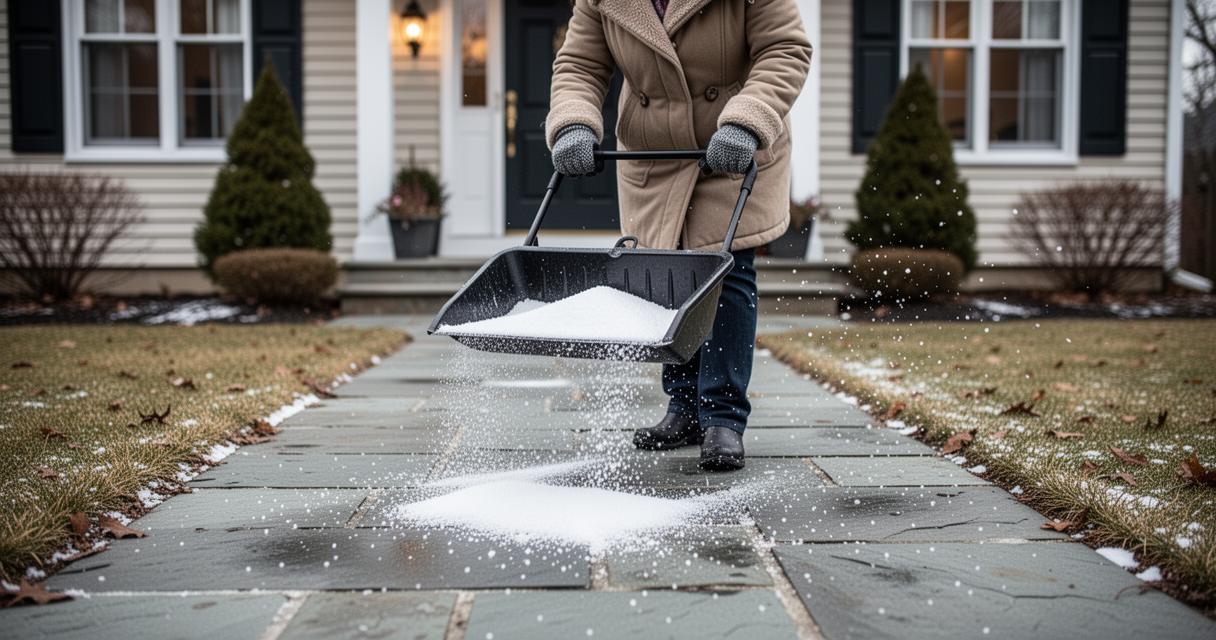
The Science Behind Salt and Ice Prevention on Road Surfaces
The salt most commonly used in winter road gritting is sodium chloride, typically sourced in granular or rock form. When it comes into contact with moisture on a road surface, it dissolves and creates a brine solution that actively resists freezing. This is why gritting is most effective when applied before frost or snowfall rather than after — the salt can work with the moisture already present on the road to form a protective layer. Pre-treating roads in anticipation of freezing conditions is widely regarded as a more efficient approach, reducing the quantity of salt needed and improving overall road safety outcomes.
Why Timely Gritting Makes All the Difference in Hazardous Conditions
Timing is everything when it comes to effective gritting. Applying salt at the right moment — ideally before temperatures drop to freezing — dramatically reduces the risk of black ice, which is one of the most dangerous and unpredictable hazards on winter roads. Black ice forms when a thin, nearly invisible layer of ice coats the tarmac, making it extremely difficult for drivers to react in time. Proactive gritting schedules, informed by reliable weather forecasting, allow road maintenance teams to stay ahead of deteriorating conditions and keep key routes open and safe.
Sustainable approaches to winter road management
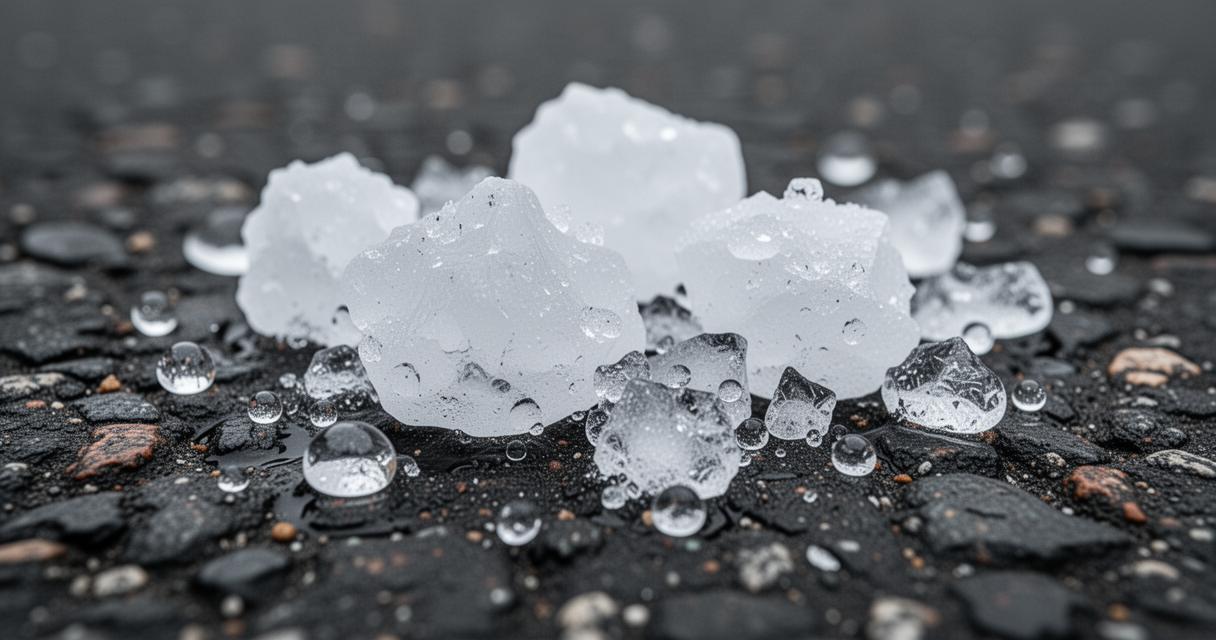
As environmental awareness grows, road management teams are increasingly looking for ways to maintain safe winter roads whilst minimising the environmental impact of gritting operations. Salt, whilst highly effective, can have consequences for vegetation alongside roads, local waterways, and wildlife habitats if used in excessive quantities. Sustainable winter road management therefore seeks to strike a careful balance between safety and ecological responsibility.
Balancing road safety with environmental responsibility
One of the most significant advances in sustainable gritting practice is the development of more precise spreading technology. Modern gritting vehicles are equipped with systems that allow operators to calibrate exactly how much salt is distributed per kilometre of road, reducing waste and limiting the volume of salt that eventually runs off into the surrounding environment. Additionally, the use of pre-wetted salt — where a brine solution is applied to the salt granules before spreading — means the salt adheres to the road surface more effectively, requiring less product to achieve the same level of protection.
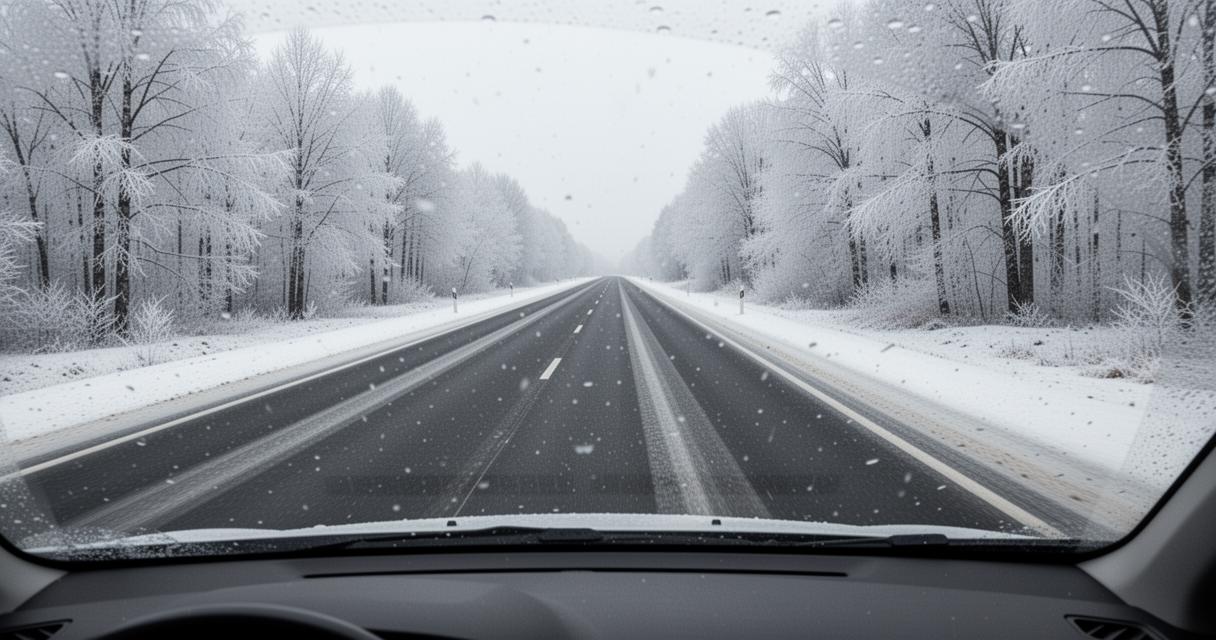
Modern gritting strategies that support long-term road maintenance
Beyond the immediate goal of preventing ice, thoughtful winter road management also supports the long-term condition of road surfaces. Excessive use of salt can accelerate the corrosion of road infrastructure, including bridges, drainage systems, and the vehicles themselves. By adopting smarter, more targeted gritting strategies — including the use of route optimisation software and real-time road temperature monitoring — highway teams can deliver effective winter treatment whilst reducing unnecessary wear on both the roads and the equipment used to maintain them. This integrated approach ensures that winter road safety remains robust, responsible, and fit for the challenges that each new season brings.